The Room-by-Room Decluttering Method
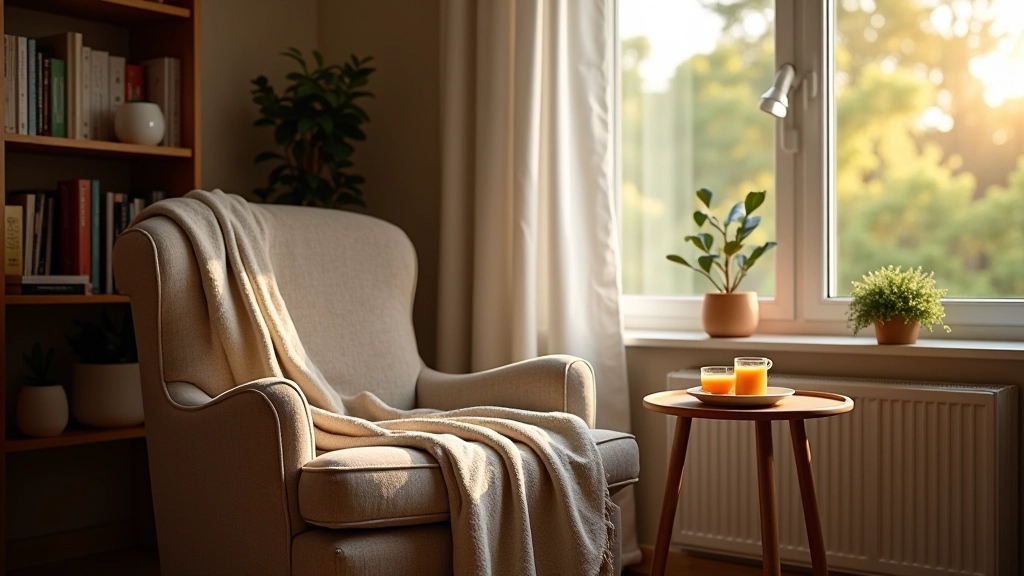
Start small and focus on one room at a time. We'll walk you through sorting, deciding what stays, and creating systems that actually stick.
Why Room-by-Room Works Better
Most people try to declutter their entire home at once. It's overwhelming, exhausting, and honestly? You'll quit before you finish. The room-by-room approach changes everything because you're not tackling your whole life in a weekend. You're choosing one manageable space, completing it fully, and moving forward with momentum.
This method works particularly well for adults managing busy households. You'll see real results quickly — a finished bedroom or kitchen creates immediate satisfaction. That feeling matters. It keeps you motivated when you move to the next room. Plus, you're not living in chaos during the process. One room stays organized while you work on another.
The Four-Step Process
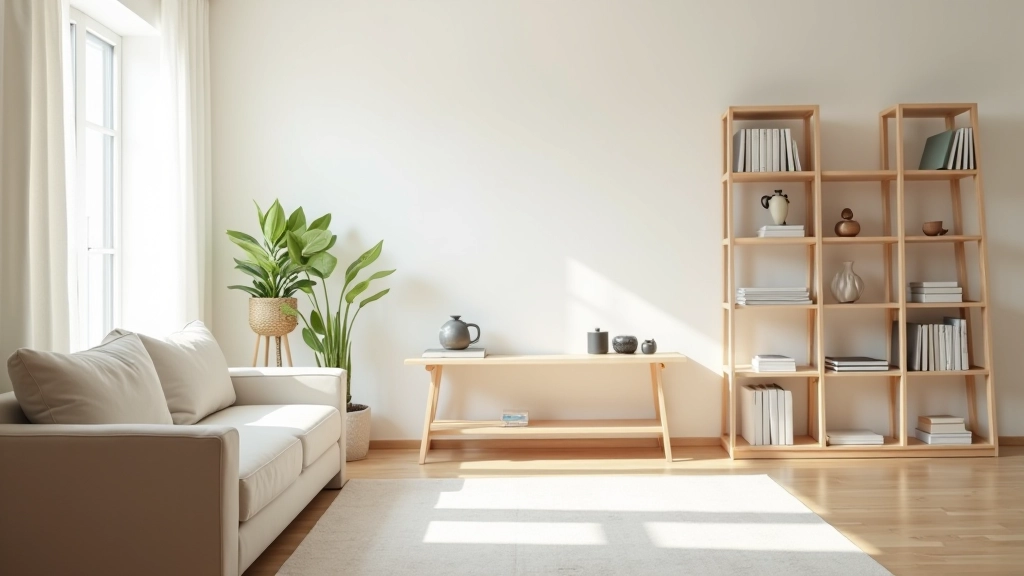
Follow this framework for every room you tackle. It's straightforward but requires honesty about what you actually use.
Assess Everything
Pull everything out. Yes, everything. You need to see what you actually have. This takes time — usually 2-4 hours depending on room size — but it's crucial. You can't make good decisions about things hidden in drawers or the back of closets.
Sort Into Categories
Create four piles: keep, donate, sell, and trash. Don't overthink this. If you haven't used something in the last year and it doesn't bring you genuine joy, it goes. That winter coat from 2015 that never quite fit? Donate. The bread maker you swore you'd use? Time to let it go.
Find Homes for Everything
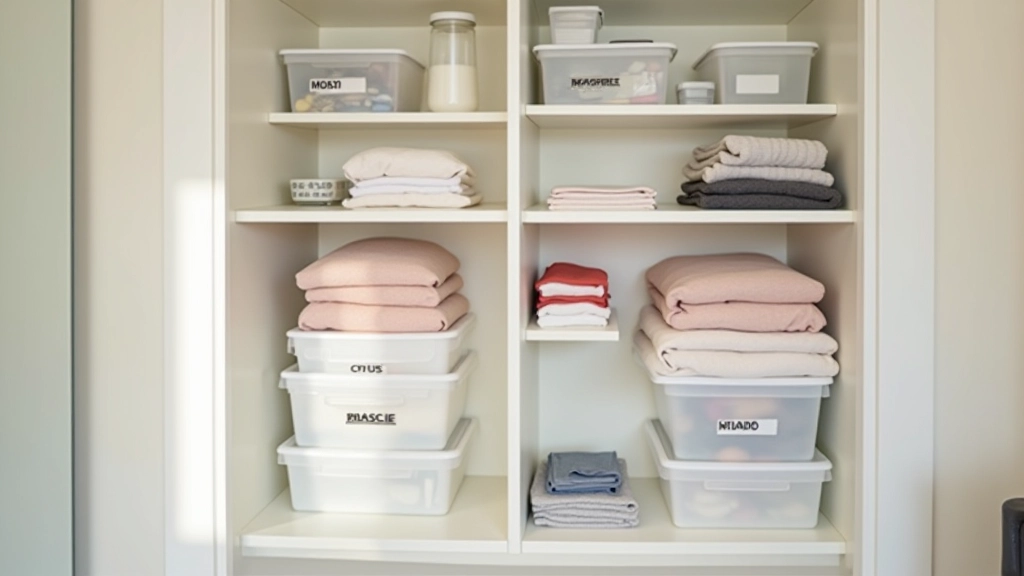
Every item that stays needs a designated spot. This is where systems become important. Clear storage containers work better than opaque ones — you can actually see what's inside without opening everything. Label things. Sounds simple, but labeling prevents the "where did I put that?" problem six months later.
Maintain the System
Maintenance is the part people skip. Spend 10 minutes each week putting things back where they belong. When you bring something new into that room, something old needs to leave. This prevents the slow creep of clutter that happens to most people.
Smart Strategies That Work
The four steps work, but there's more to know. Real success comes from understanding how to handle the tricky decisions — the items that might be useful someday or the things you feel guilty about.
The One-Year Rule
If you haven't used it in a year, you won't miss it. This applies to most clothing, kitchen gadgets, and hobby supplies. The exception is seasonal items — winter clothes can sit unused for 9 months without being clutter.
The Guilt Release
You feel guilty about the expensive thing you never used. The gift you didn't love. Letting it go doesn't erase the past purchase — it just frees you from carrying that guilt daily. Donate it to someone who'll actually use it. You're giving it a second chance.
The Duplicate Test
You've got seven coffee mugs but only use three regularly. Keep the three you love. Three spatulas? Keep one. Duplicates take up space without adding value. Be ruthless here — this is where you'll gain the most space back.
Container Limits
Use containers to naturally limit what you keep. If you've got three drawers for socks, that's your maximum. This prevents re-accumulation. You can't store more than the containers hold, so you're forced to make good choices.
Realistic Timeline for a Full Home
Don't rush this process. A well-executed decluttering takes time, but you're building systems that'll last years.
Bedroom — Start here because it's personal space. You'll see results that affect your daily life immediately. Takes 2-3 weekends.
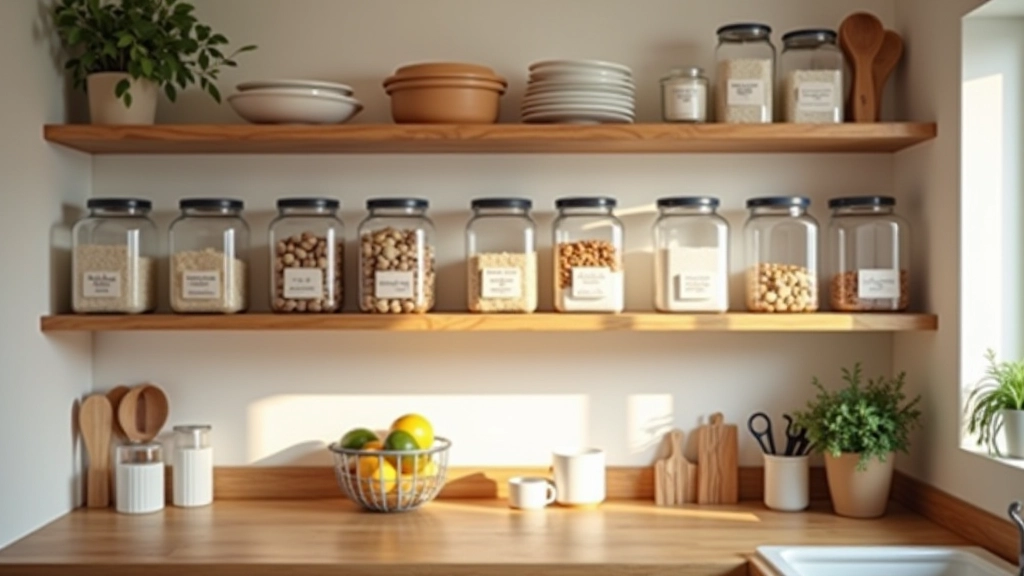
Kitchen — Most used room requires more decisions. Deciding which pans to keep, which appliances to donate. Plan 3-4 weekends here.
Bathrooms & Entryway — Smaller spaces, faster wins. Usually 1-2 weekends total for both if you've got one bathroom.
Living Spaces & Offices — Tackle your living room and any home office. These rooms often hold the most sentimental items, so pace yourself.
Tools & Supplies You'll Actually Use
You don't need expensive organizing systems. These basics do the job well.
Clear Storage Containers
You need to see what's inside without opening them. Plastic bins from discount stores work fine. Get various sizes for different items.
Labels & Marker
Label maker or permanent marker — both work. Label everything by category and date if you're storing seasonal items. Future you will be grateful.
Donation Bags or Boxes
Have these ready during the sorting process. Don't let items sit in bags for weeks. Drop them off at donation centers within days or you'll be tempted to reabsorb them.
Drawer Dividers
Prevents the slow collapse of organized drawers. Inexpensive and effective for socks, underwear, and kitchen utensils. Keeps categories separate so nothing gets buried.
Shelving Baskets
For items that don't fit in standard containers. Baskets create visual order while keeping similar items grouped. They're also easier to pull down when you need something.
Measuring Tape
Measure your storage spaces before buying containers. Nothing's worse than containers that don't fit your shelves or closet. Take 30 seconds to measure properly.
Common Mistakes to Avoid
You're going to do great, but watch out for these patterns. Almost everyone hits these stumbling blocks at least once.
Starting Too Big
Attempting your entire basement or attic on a Saturday isn't realistic. Pick one closet, one shelf, or one drawer. Finish it completely. The momentum builds.
Keeping "Just in Case" Items
That bread maker you'll use someday, the clothes in sizes you no longer wear, the book you might read. These "maybes" clog your space. Make decisions based on your current life, not a hypothetical future.
Not Getting Family Buy-In
If you're decluttering shared spaces, everyone involved needs to agree. Your spouse might actually use those kitchen gadgets. Your kids might love the toys you want to donate. Have conversations first.
Slow Removal Process
Don't let donation bags sit in your garage for months. It undermines the whole project. Schedule drop-offs immediately. Get items out of your house within a week.
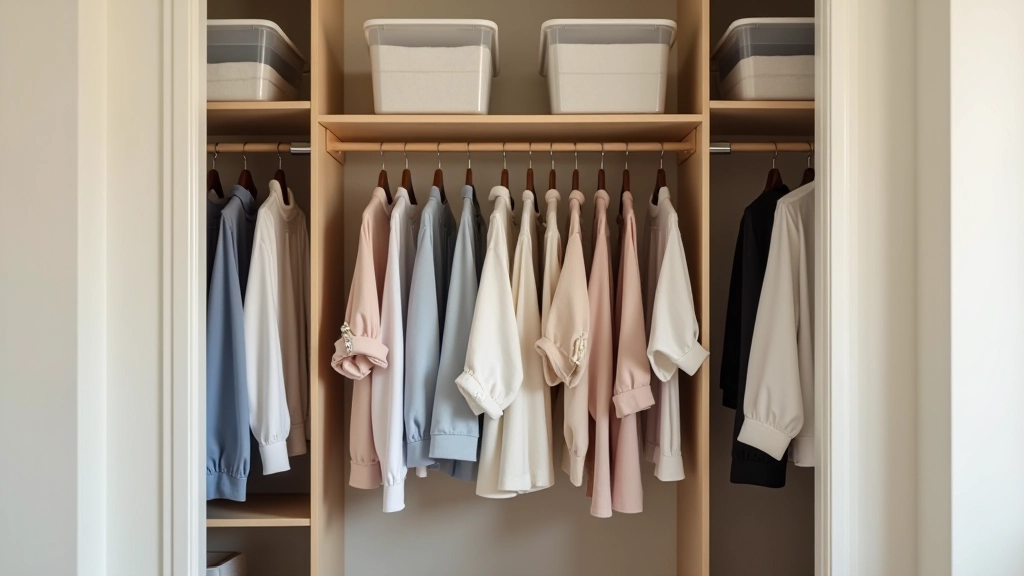
You've Got This
Decluttering room by room isn't about perfection. It's about creating spaces where you actually want to spend time. It's about not feeling that subtle anxiety when you open your closet. It's about finding things when you need them instead of spending 10 minutes searching.
Start this weekend with one room. Don't overthink it. Pull everything out, make honest decisions, and create a system you can maintain. You'll be amazed at how good it feels to live in a space that's intentional rather than accumulated.
Ready to tackle your first room? Pick one today and commit to finishing it completely.
Explore More Organization TipsAbout This Guide
This article provides educational information about decluttering methods and home organization strategies. Every home and situation is different — what works for one household might need adjusting for another. These are general guidelines based on widely-used organizational principles. Your decisions about what to keep or donate should reflect your family's actual needs, values, and circumstances. Consider your local donation centers, recycling options, and resale platforms based on what you're discarding.