Creating Your Relaxation Nook at Home
A dedicated space to unwind makes a real difference. Learn how to carve out a corner in any room and fill it with what actually helps you relax.
Why Your Own Space Matters
Life gets loud. Between work, family responsibilities, and the constant hum of screens, finding genuine quiet time isn't something that just happens. You've got to create it. A relaxation nook isn't about being fancy or spending a fortune — it's about claiming a small corner that's entirely yours, a place where you can actually breathe.
The adults managing households know this best. You're juggling schedules, managing spaces, and keeping everyone else comfortable. But somewhere in that mix, your own peace gets lost. That's where a dedicated relaxation nook changes things. We're talking about a 4-by-6-foot corner that becomes your mental reset button. Nothing complicated.
The Four Essential Elements
You don't need much. In fact, too much stuff defeats the whole purpose. After working with dozens of households to set up their personal spaces, certain elements keep showing up in the ones people actually use.
Seating That Supports You
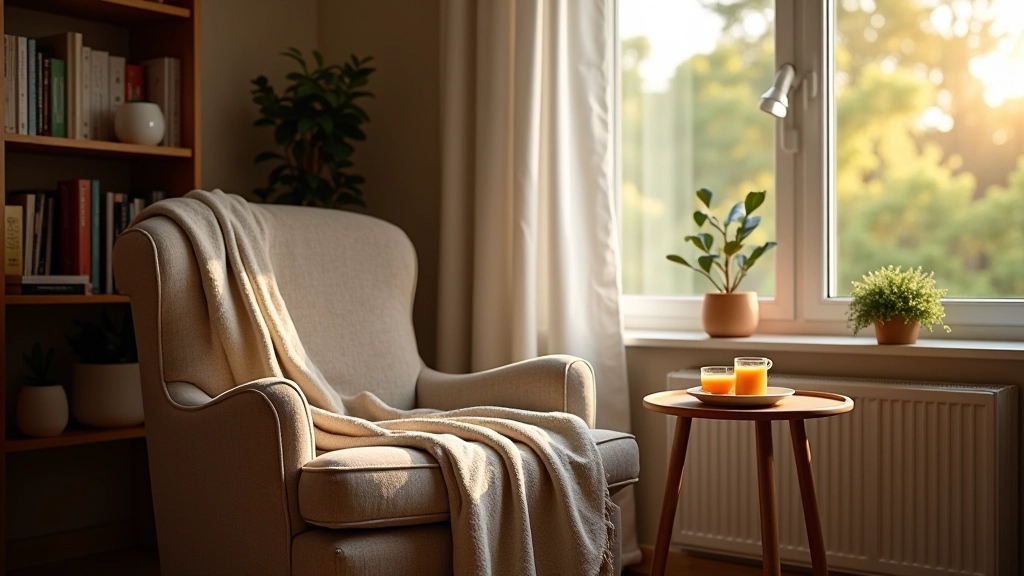
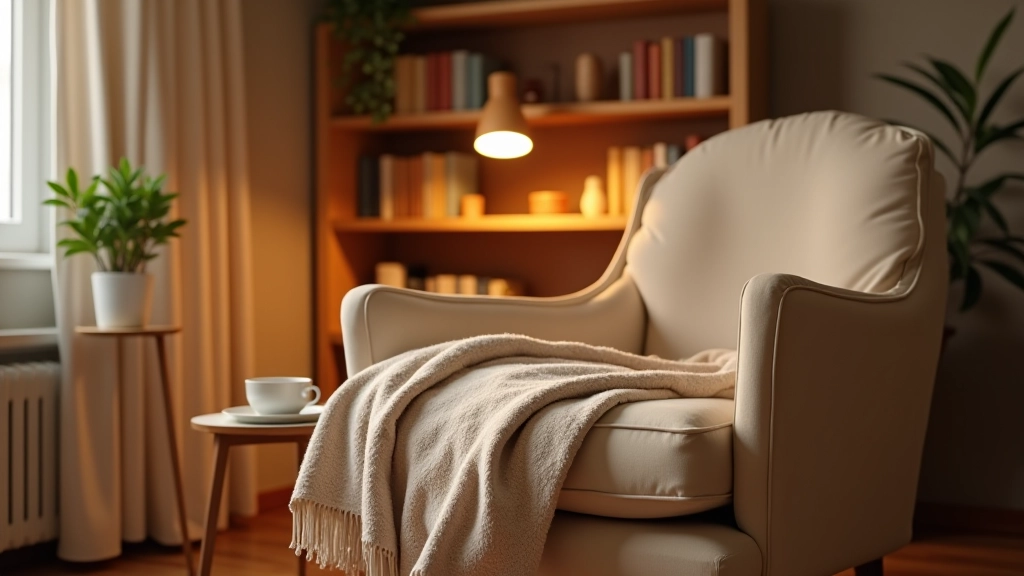
An armchair, a cushioned window seat, or even a quality floor cushion. The key is comfort for 30+ minutes without your back complaining. A $150 chair from a furniture store beats an expensive designer piece you can't actually sit in.
Proper Lighting
Natural light during the day, a warm lamp for evenings. We're talking 2700K bulbs — that warm yellowish tone that doesn't jolt your nervous system. Avoid overhead ceiling lights. They're the enemy of relaxation.
Minimal Distractions
This means your phone on silent, no TV visible, ideally a wall between you and household activity. Even a tall bookshelf can work. The point is creating a psychological boundary.
One Comfort Element
A soft blanket, a plant, a small water fountain, or a stack of books. Something tactile that says "this is for me." Not decorations — functional comfort you'll actually use.
Choosing the Right Spot
Location is everything. You're not just picking a corner — you're picking an escape route. The best nooks are away from the main household activity. That doesn't mean a separate room. It means corners where sound naturally dampens and people naturally don't gather.
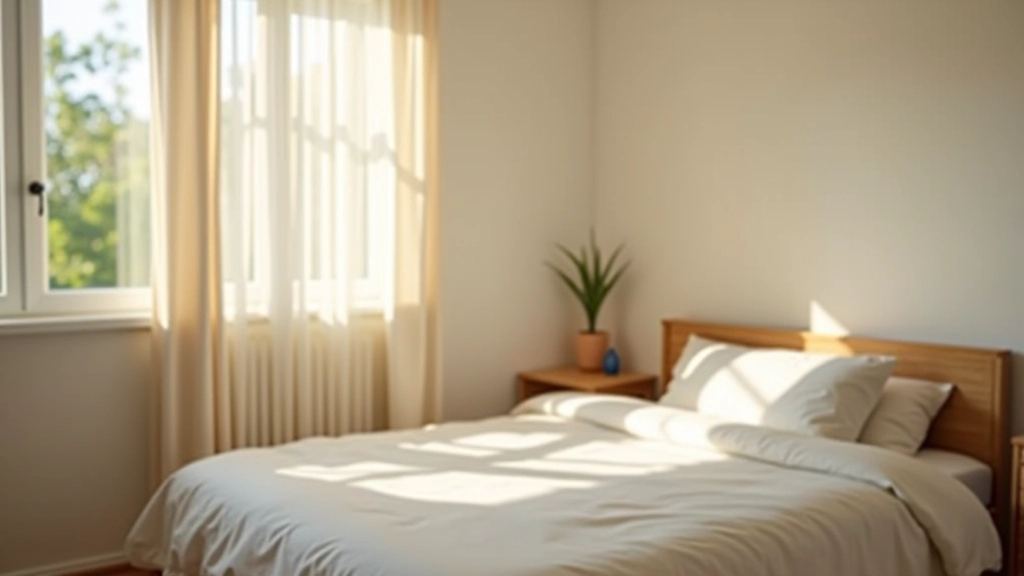
A bedroom corner near a window wins. Sunlight changes your mood chemistry, and bedrooms are typically quieter. But we've also seen great nooks in living room corners (especially with a tall bookshelf as a visual barrier), basement corners with better acoustics, and even converted closets with good lighting added.
Avoid: high-traffic hallways, spaces visible from the main entry, anywhere with street-facing windows that let in constant motion and noise. You're not just finding a spot — you're finding a refuge.
The Actual Setup Process
01
Measure Your Space
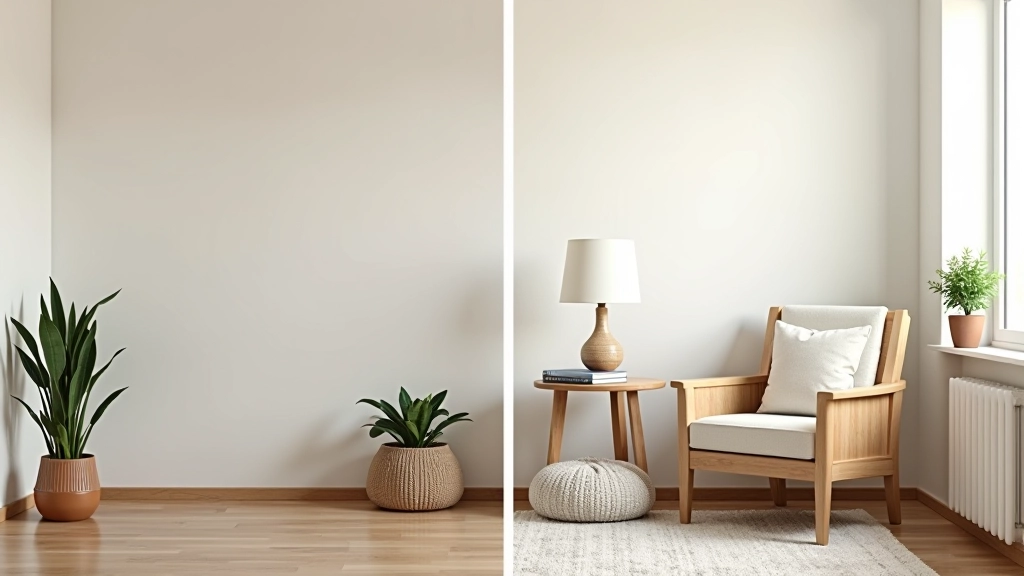
You need 4 feet wide minimum for a chair and a small table. Don't overthink it. Grab a tape measure and spend five minutes figuring out where it'll actually fit without blocking doors or walkways.
02
Get the Seating Right
This is your biggest purchase. Don't buy a chair online without testing it. Go to a furniture store, sit in options for 10 minutes, and pick what actually feels good. Your lower back will thank you later.
03
Layer Your Lighting
Install a warm lamp first. Then assess. Does natural light reach it during the day? Do you need blackout options for evening focus? Adjust after you've used it for a week. Don't guess.
04
Add Barriers if Needed
A tall bookshelf, a folding screen, or even a standing curtain rod with fabric can create psychological separation. Test it for a week. If people still interrupt, you need more visual blocking.
05
Bring in Your Comfort Item
Whether it's a soft blanket, a plant, or a stack of books — add one thing that makes you reach for this space. Something you'll actually use, not something that just looks nice.
Making It Part of Your Routine
Here's the thing nobody tells you: building a space doesn't guarantee you'll use it. You've got to actually claim the time. That means treating it like an appointment, not something that happens when everything else is done. Because everything else is never done.
Start small. Even 15 minutes before breakfast, or 20 minutes after dinner. Not every day — that sets you up to fail. But three times a week minimum is where it becomes a real habit. You're not meditating or doing anything special. You're just sitting there. Reading, thinking, breathing. Nothing productive required.
"I thought I'd use it for reading. Turns out I just sit there with coffee most mornings. Don't even have a book out half the time. But those 20 minutes before everyone wakes up? That's mine."
— Michelle, 48

The Real Benefit
You don't need a second home or a spa membership. You need 50 square feet in your existing space and permission to use it for yourself. That's it. The adults managing households — the ones keeping everyone's lives running — you're the ones who need this most. Not because you're selfish. Because you can't pour from an empty cup, and everyone knows it.
A relaxation nook isn't luxury. It's basic maintenance. Same as brushing your teeth or sleeping eight hours. Your nervous system needs places to reset, and you're responsible for creating them. So create one. Pick a corner, get a comfortable chair, add a lamp, and claim your peace. You've earned it.
Ready to Create Your Space?
Start with one corner this week. Measure it. Find one chair that's actually comfortable. That's your foundation. Everything else builds from there.
Explore More Home Organization TipsAbout This Article
This article provides informational guidance for creating a personal relaxation space in your home. Individual needs vary based on physical abilities, available space, and personal preferences. If you have specific mobility concerns or health conditions affecting seating comfort, consult with a healthcare provider. The suggestions here represent common approaches — adapt them to your unique situation and home layout.
Related Articles