Designing a Study Space Kids Will Actually Use
The right desk setup makes homework less of a battle. We cover lighting, storage solutions, and how to involve your child in creating their own space.
Why a Dedicated Study Space Matters
Here's the thing — kids don't naturally gravitate toward studying. But when you give them a space that feels like theirs, that's comfortable and organized, something shifts. They'll actually want to sit down and do their homework without constant negotiation.
We're not talking about a fancy home office. A good study space doesn't require much money. It needs the right fundamentals: proper lighting so their eyes don't strain, storage that makes sense, a chair that supports their posture, and enough room to spread out without clutter creeping in. Most importantly, it should feel inviting rather than like a punishment corner.

Lighting: The Foundation of Focus
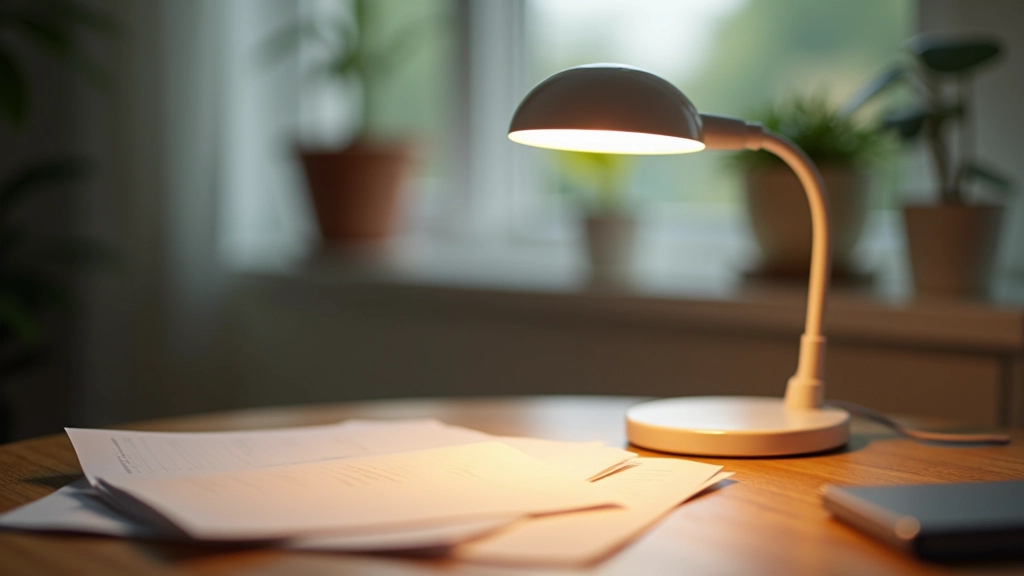
Bad lighting is the fastest way to kill homework motivation. If your kid's desk is dimly lit or has harsh shadows, their eyes tire quickly and concentration tanks. You'll see it happen — they'll squint, rub their eyes, start complaining that their head hurts.
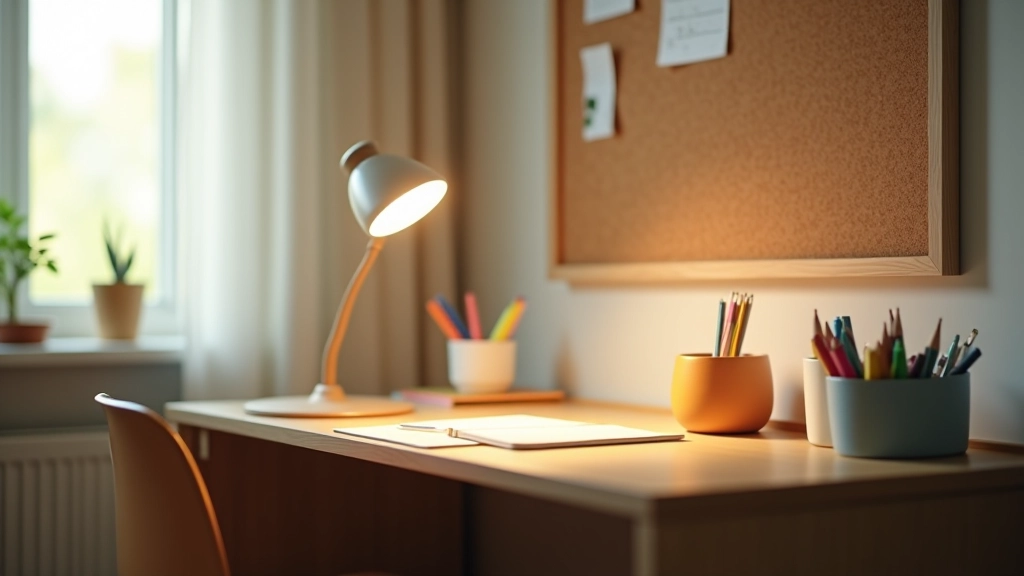
The best setup combines natural light with task lighting. Position the desk near a window if possible — morning or afternoon sunlight is ideal. Add a desk lamp with a warm LED bulb (2700K color temperature is easier on the eyes than harsh white light). The lamp should sit to the side of their dominant hand to avoid shadows on their work. Don't skimp on brightness here. You want around 400-500 lux on the work surface, which sounds technical but really just means "bright enough to read easily without squinting."
Skip the overhead light directly above the desk. It creates glare and can actually make studying harder. The combination of window light plus a good desk lamp gives them the flexibility they need as seasons change.
Smart Storage: Everything Within Arm's Reach
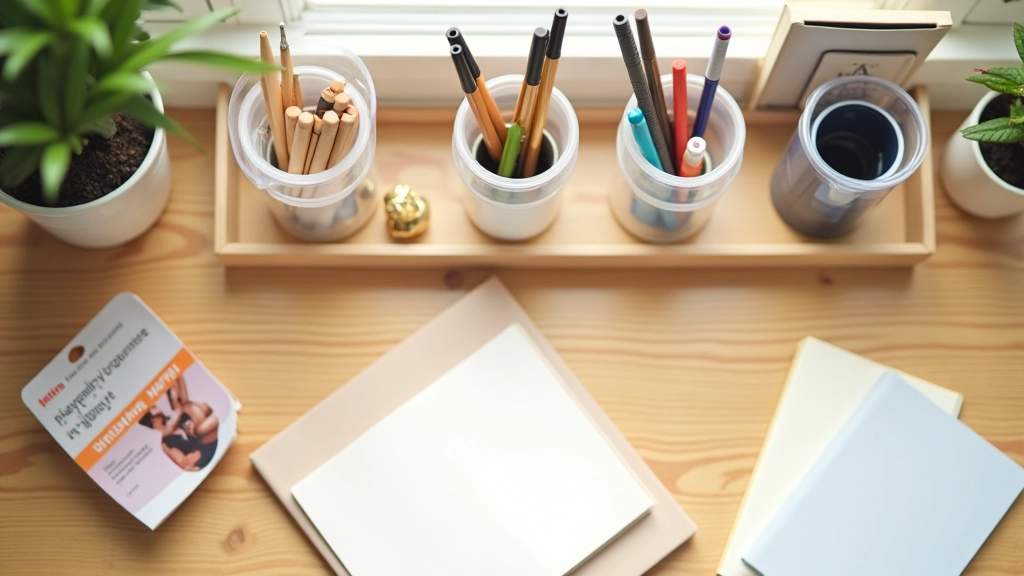
Clutter kills productivity. When supplies are scattered around or shoved in random drawers, your kid wastes time hunting for a pencil instead of starting their assignment. They get frustrated. You get frustrated. The whole study vibe collapses.
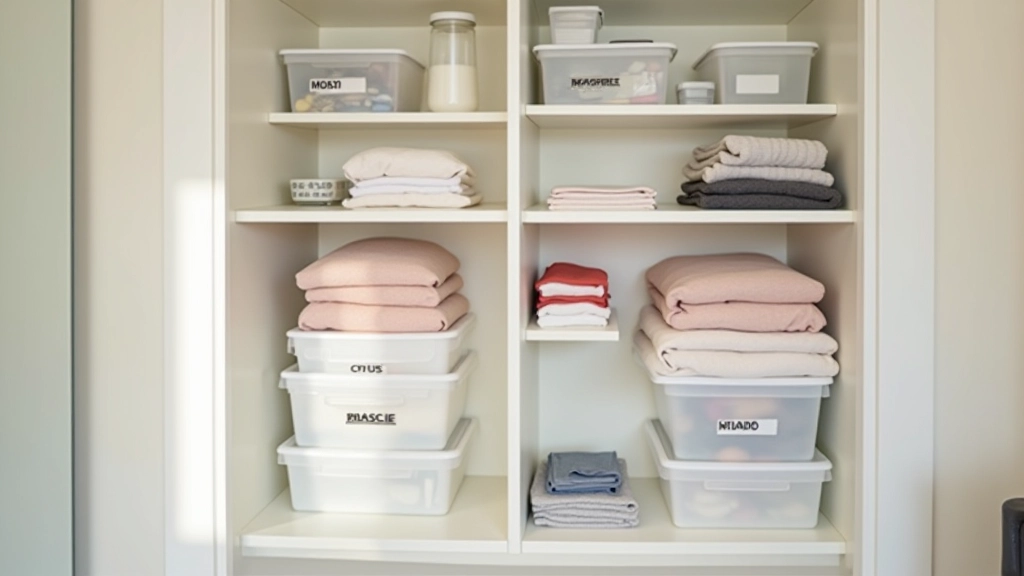
Keep supplies visible and organized within easy reach. Clear containers work better than closed boxes — they can see what they have without opening anything. A small shelf above or beside the desk is perfect. Add a desk organizer with slots for pens, pencils, and markers. A file holder for papers keeps things from sliding everywhere. The goal isn't perfection. It's having a system that your kid actually understands and can maintain themselves.
Involve them in setting this up. Ask what supplies they actually use regularly. Let them choose container colors if possible. When kids help design their storage system, they're way more likely to use it and keep it tidy. Plus, you're teaching them organizational skills that'll help for years.

The Right Chair and Desk Height
You'd be amazed how many kids develop neck and back pain from sitting at the wrong height. Their feet dangle, their arms are at weird angles, they're hunching forward. After 30 minutes of homework, they're uncomfortable and done.
The desk should be roughly at elbow height when they're sitting. Their feet should rest flat on the floor or a footrest — no dangling. Their arms should form roughly a 90-degree angle when they're writing or typing. The chair matters too. It doesn't need to be expensive, but it should support their back and be adjustable. A standard desk chair from an office supply store often works better than a gaming chair, honestly.
Kids grow. Their desks and chairs won't stay the right height forever. Check the setup a couple times a year and adjust as needed. Proper ergonomics prevents the fidgeting and discomfort that derails study sessions.
Make It Theirs: Personalization and Control
This is the secret ingredient that most people miss. A space that feels generic won't be used enthusiastically. But when your kid has a say in how it looks and feels, they own it.
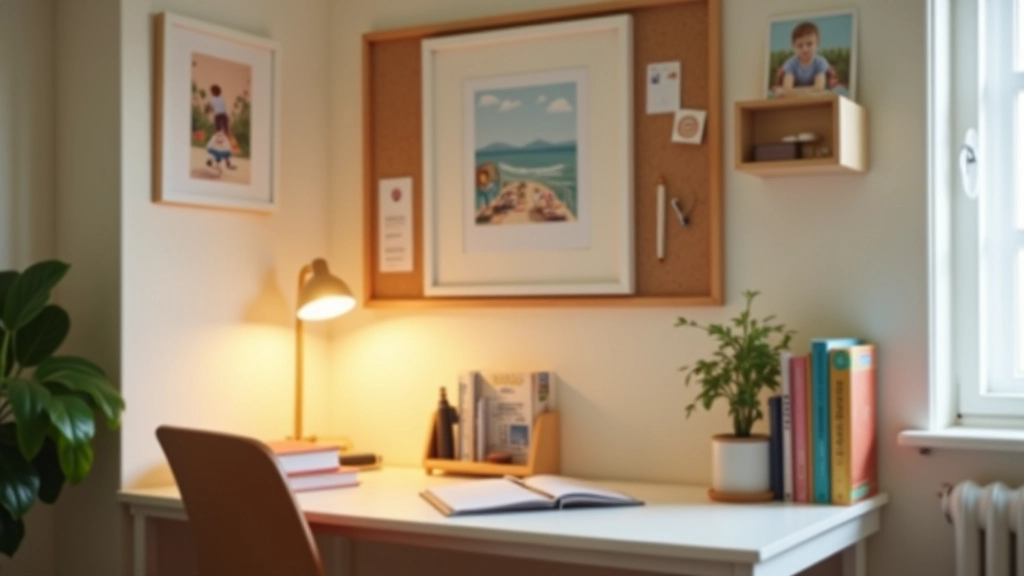
Let them choose wall colors if you're painting. Let them pick out a bulletin board or whiteboard. They can add a small plant, a poster, a lamp in their favorite color. Keep decorations minimal — you don't want it to become a distraction — but make room for a few personal touches. Some kids like motivational quotes or artwork. Others prefer a calm, minimal aesthetic. Ask them what they want their study space to feel like.
Set one simple rule together: this space is for studying, not for playing. But within that boundary, they get to decide how it looks. You're not just creating a study desk. You're building something that belongs to them.
Bringing It Together
You don't need to spend a lot to create a study space that works. Focus on the fundamentals: good lighting, smart storage, proper ergonomics, and personal touches. These four things will reduce friction around homework time dramatically.
Start with what you have. Maybe it's just a corner of their room. Add one thing at a time if budget is tight — a good desk lamp, then a storage organizer, then a proper chair. Your kid will notice and appreciate the improvement. They'll actually want to use the space. And honestly? That's when you know you've got it right.
Ready to Organize More?
Explore other strategies for creating comfortable, organized spaces throughout your home.
Browse More Home Organization TopicsAbout This Guide
This article is intended for informational purposes only. We've shared practical suggestions based on common approaches to creating effective study spaces. Every child is different, and what works best depends on your individual situation, budget, and your child's specific needs. If your child has learning disabilities, attention challenges, or physical considerations, consulting with an educator or occupational therapist can provide more personalized guidance.
Related Articles